Cute Cactus Svg: A Designer's Take on Real Embroidery Use
When I first pulled up the Cute Cactus Svg from Pakka Design Studio, my initial reaction wasn't just about how adorable it looked on the screen. As someone who spends hours hooping fabric and threading needles, my mind immediately jumped to the practical side: "How will this actually stitch out?" We often get swept away by cute graphics in the Crafts and Graphics categories, but a design that looks perfect as a digital clip art doesn't always translate seamlessly into a machine embroidery design. This review is for my fellow Etsy sellers, boutique owners, and hobbyists who need to know if this file is ready for a real-world embroidery project or if it needs some serious tweaking before it hits your customer's doorstep.
First Impressions and Visual Personality
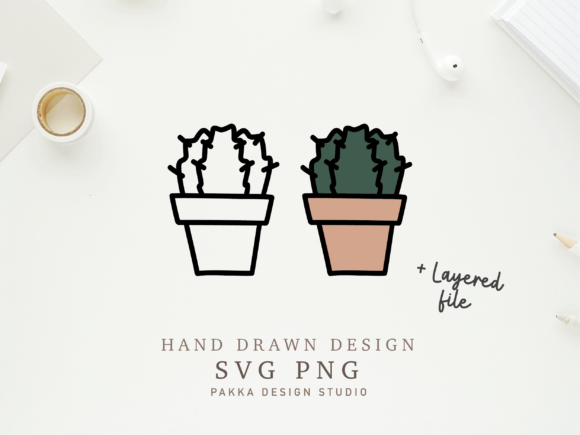
The vibe of this design is undeniably cheerful. It captures that trendy, desert-boho aesthetic that has been dominating social media and home decor for years. The shapes are rounded and friendly, avoiding sharp, aggressive angles that can sometimes cause thread breaks or puckering. For a personalized gift or a small shop product, this visual personality is gold. It speaks to a younger demographic, parents looking for nursery decor, and anyone who loves a bit of whimsy in their daily life.
However, looking at it through the lens of an embroiderer, I noticed the level of detail immediately. Since this originates as an SVG and PNG design intended for cutting machines like Cricut, it is essentially a vector outline. If you are using this as an applique design, it is fantastic. The clean lines make for easy cutting and precise placement. But if you intend to use it as a filled digital embroidery file where the machine stitches the entire shape, you need to be careful. The transition from a cut-file mindset to a stitch-file mindset requires checking how those curves handle satin stitch versus fill stitch.
Real-World Application: The Tote Bag Test
To give you a concrete example, let's talk about a recent job I had for a local farmer's market vendor. She needed a batch of canvas tote bag design items that felt organic and handmade. I chose the Cute Cactus Svg for this because the theme fit her brand perfectly. I decided to run this as an appliqué piece on a heavy-weight cotton canvas.
The process was smooth. Because the design relies on bold shapes rather than tiny, intricate internal details, it held up well on the textured surface of the canvas. I used a contrasting thread colors scheme—a bright sage green against a natural beige fabric—which made the cactus pop. The result was a professional-looking finished product that didn't look cheap or overly digitized. Customers at the booth were drawn to it specifically because it looked like a custom illustration rather than a generic stock image.
This same logic applies to sweatshirt embroidery. On a fleece or French terry fabric, a design with too much density can feel stiff and uncomfortable against the skin. The open nature of this cactus graphic allows the fabric to breathe, making it an excellent choice for custom apparel that people actually want to wear. Whether it's a cozy hoodie for a winter gift or a light tee for spring, the scale of the design works well on the chest or sleeve without overwhelming the garment.
Navigating Fabric Textures and Hoop Constraints
While the design is versatile, it isn't without its challenges. One thing every craft business owner needs to consider is fabric texture. If you are stitching this onto a highly textured towel or a waffle weave, the fine edges of the cactus arms might get lost. In those cases, I recommend increasing the run of the running stitch border or adding a slight underlay to ensure the definition remains crisp.
Another critical factor is the hoop size. Although the original file is scalable as an SVG, once you convert it or purchase the corresponding embroidery version, you are bound by your machine's physical limits. For smaller items like baby onesies or caps, you might need to resize the design significantly. Be cautious here: shrinking a design too much can merge small details together, turning distinct spines or facial features into a muddy blob of thread. Always test your stitch density when scaling down. If the design feels too dense for a baby embroidery project on thin knit fabric, you risk causing puckering or needle deflection.
Speaking of tricky surfaces, curved items like baseball caps require extra attention. The center of the cactus might stitch out fine, but the outer edges could distort if the cap frame isn't set up perfectly. For holiday embroidery gifts like ornaments or stockings, ensure you are using a robust stabilizer. These items often undergo more stress during display or washing, and a weak foundation will lead to regret later.
Commercial Viability and Brand Consistency
For those of you running an online store, consistency is key. Using a cohesive set of design assets helps build brand recognition. The Cute Cactus Svg fits nicely into a broader collection of botanical or southwestern themes. It works exceptionally well for creating printable mockup images for your listings before you even stitch a single thread. This saves time and helps you gauge customer interest.
However, a word of caution regarding licensing. The product description mentions it is suitable for shirts, mugs, and various creative ideas, but it does not explicitly detail the commercial license terms for the embroidery file itself if you are converting it. Before selling this as part of a commercial embroidery service or including it in a digital download pack, you must verify the specific rights granted by Pakka Design Studio. Selling a handmade product is one thing; reselling the digital file or claiming exclusive rights is another. Protect your craft business by reading the fine print.
Practical Notes for the Working Designer
Before you commit to a large production run, here are a few actionable steps I take with every new design:
- Test on scrap fabric: Never skip this. Use the exact same material and stabilizer combination you plan to use for the final item.
- Check contrast: View your design in black and white. If the details disappear in grayscale, they might get lost in low-light photos or on certain fabric backgrounds.
- Inspect small details: Look closely at the tips of the cactus arms and any internal elements. Do they need a tie-off or a specific stitch direction to prevent fraying?
- Verify hoop compatibility: Ensure the design fits your smallest available hoop if you plan on doing multi-item batching.
- Wash testing: If this is for a kitchen towel or apron, wash the sample multiple times to check for thread shrinkage or color bleeding.
In conclusion, the Cute Cactus Svg is a charming and versatile asset that holds a lot of potential for creative entrepreneurs. It bridges the gap between digital Graphics and tactile Crafts beautifully, provided you approach it with an embroiderer's eye. By paying attention to fabric choice, stitch density, and proper stabilization, you can turn this simple graphic into a high-value embroidered patch, a beloved holiday gift, or a staple item in your boutique's inventory. It's a reminder that the best designs aren't just the ones that look good on a screen, but the ones that survive the journey from the hoop to the hands of a happy customer.