Leopard Heart Pattern: A Designer's Review for Embroidery
As a designer who spends more time staring at stitch maps than most people spend watching television, I approach every new digital embroidery file with a mix of curiosity and skepticism. When I first pulled up the Leopard Heart Pattern Heart Svg Bundle, my initial reaction wasn't just about the cute factor; it was about feasibility. We all know that animal prints can be tricky to translate from a flat graphic into thread. The challenge lies in maintaining the organic chaos of a leopard spot pattern within the structured geometry of a heart shape without it looking like a muddy mess. After reviewing the files and running a few test stitches on scrap fabric, I'm ready to share how this design holds up for real-world craft business applications.
The Visual Personality and First Impressions
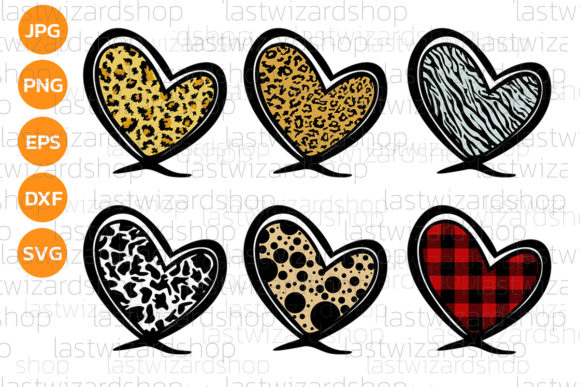
The mood of this bundle is undeniably bold yet playful. It strikes a balance between the ruggedness of animal print and the softness associated with heart motifs. For an Etsy seller or boutique owner, this visual personality is gold. It appeals to customers who want something trendy but not overly aggressive. The layout typically features the leopard spots filling the heart silhouette, often accompanied by buffalo plaid variations in the same bundle. This duality gives you immediate versatility. You aren't just buying one look; you are acquiring a suite of design assets that can pivot from a cozy winter vibe to a fierce fashion statement depending on which file you choose.
From a technical standpoint, the clarity of the vector lines in the SVG, DXF, and EPS formats is crucial. Before even thinking about thread, I check these paths. Are they clean? Do they have unnecessary nodes? For this bundle, the shapes appear robust, which suggests they will convert well into stitch data whether you are using auto-digitizing software or manual editing tools. The "Graphics" category label fits, but for us embroiderers, the true test is how those graphics behave when subjected to the pull of tension and the texture of fabric.
Real-World Application: The Custom Tote Bag Scenario
To truly evaluate the Leopard Heart Pattern Heart Svg Bundle, I imagined a specific client request: a set of personalized tote bags for a bridal party who loves a mix of rustic and wild aesthetics. This is a common scenario for small shop product creators. I selected the leopard heart variant and prepared to digitize it for a medium-weight canvas.
In this context, the design shines. The heart shape provides a clear boundary for the fill stitches, preventing the leopard spots from wandering off into the background fabric. When stitched out, the contrast between the dark spots and the lighter base threads creates excellent definition. On a tote bag, which often suffers from designs that are too delicate, this pattern offers enough density to stand out without being so heavy that it warps the fabric. The result is a finished product that looks professional and intentional, rather than like a generic iron-on transfer.
This same logic applies to sweatshirt embroidery. A crewneck sweatshirt provides a stable, slightly textured surface that complements the organic nature of the animal print. The design adds a focal point to an otherwise plain garment, instantly elevating its perceived value. For holiday embroidery gifts, perhaps pairing the buffalo plaid version with red and green threads, this bundle offers a quick turnaround solution that feels custom-made.
Navigating Fabric Textures and Hoop Constraints
However, enthusiasm must be tempered with practical caution. Not every surface is friendly to a detailed pattern like this. If you are planning to use this on a stretchy fabric like a thin jersey t-shirt or a fitted cap, you need to be strategic. The dense nature of a filled animal print can cause puckering if the stabilizer isn't up to the task. I strongly recommend using a cut-away stabilizer for stretchy materials to ensure the embroidery project retains its shape after washing.
Furthermore, consider your hoop size. While the SVG scales infinitely, your machine does not. If you shrink this design down too small for a tiny pocket on a baby onesie, the individual spots may merge together, losing the "leopard" effect entirely and becoming a brown blob. For baby embroidery, I would suggest simplifying the design or enlarging it significantly to maintain stitch clarity. Conversely, on curved surfaces like caps, the center of the heart might stitch fine, but the edges could distort if the fabric isn't hooped tightly enough. Always run a test on scrap fabric that matches your final material thickness.
Commercial Viability and Brand Consistency
For those running a craft business, consistency is key to building trust. Using a high-quality source file like this bundle ensures that every item you sell, from an embroidered patch to a kitchen towel, maintains a consistent level of quality. Customers notice when details are crisp. A blurry or poorly defined animal print can make a handmade item look amateurish. By starting with clean vectors, you ensure that your machine embroidery design translates into clean satin or fill stitches that enhance your brand's reputation.
The versatility of this bundle also aids in creating cohesive collections. You could offer a line of products featuring the leopard heart alongside the buffalo plaid heart, creating a themed collection for your online store. This kind of thoughtful curation increases buyer engagement and encourages larger orders. Whether you are creating printable mockups for digital listings or actual physical goods, having a versatile graphic library streamlines your workflow.
Final Designer Notes and Best Practices
Before you commit to a production run, keep these practical tips in mind. First, always check the licensing terms provided with the Leopard Heart Pattern Heart Svg Bundle. While many bundles allow for commercial use on physical items, restrictions on reselling the digital files themselves are common. Confirm this to protect your business.
- Thread Selection: Don't limit yourself to traditional browns and blacks. Try navy and cream, or pastels for a softer take on the animal print trend.
- Stitch Density: If digitizing manually, adjust the density based on the fabric. Heavy denim can handle a denser fill, while lightweight linens need a lighter touch.
- Contrast Testing: View your design in black and white before stitching. If the spots disappear in grayscale, they won't show up well in thread either.
- Washability: Ensure your stitch direction alternates or uses a tatami fill that withstands frequent laundering, especially for apparel.
In conclusion, the Leopard Heart Pattern Heart Svg Bundle is a solid addition to any designer's library. It bridges the gap between trendy graphics and executable embroidery art. With careful attention to fabric choice, stabilization, and sizing, it can transform simple blanks into high-value personalized gifts and boutique merchandise. It's a reminder that in our industry, the best designs are those that look as good under the microscope of a stitch counter as they do from across the room.