Review: Living the Spring Life SVG Design for Embroidery
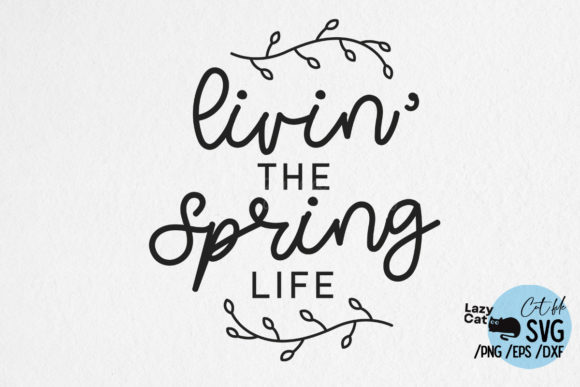
As a designer who spends more time staring at stitch simulations than I do sleeping, I approach every new digital embroidery file with a mix of optimism and skepticism. We all know the feeling: you download a beautiful graphic, convert it, and suddenly your machine is fighting a war against thread breaks and puckering. That is why I took a close look at the Living the Spring Life SVG Design not just as a cut file for vinyl, but as a potential candidate for a real-world machine embroidery design. While this asset is marketed primarily for cutting machines like Cricut and Silhouette within the Crafts category, its clean lines and thematic clarity offer a fascinating case study for embroiderers looking to create custom apparel or home decor.
First Impressions: Mood and Visual Personality
The moment I opened the files, the mood was unmistakable. The Living the Spring Life SVG Design exudes a sense of renewal and casual elegance. It does not scream for attention with chaotic details; instead, it relies on strong, recognizable shapes that define the "spring" aesthetic without being cliché. For an embroidery project, this simplicity is often a double-edged sword. On one hand, fewer intricate details mean less risk of stitching errors. On the other, a design that is too simple can look amateurish if the stitch types are not chosen carefully.
The layout feels balanced, suggesting it would work beautifully as a central motif on a tote bag or a chest logo on a sweatshirt. The visual personality is friendly and inviting, making it an excellent choice for a personalized gift or a small shop product intended to evoke warmth. When I imagine this translated into thread, I see an opportunity to play with texture. Since the original files are vector-based (SVG, EPS, DXF), they provide a perfect roadmap for digitizing. A skilled digitizer could easily interpret these shapes into a combination of satin stitch borders and soft fill stitch interiors, creating a tactile experience that vinyl simply cannot match.
Real-World Application: From Screen to Stitch
Let's move beyond theory and talk about how this design performs in a actual production scenario. Imagine a client orders a set of matching aprons for a bridal shower or a family reunion themed around gardening and spring gatherings. The Living the Spring Life SVG Design is practically begging for this kind of application. Because the shapes are distinct, they translate well to medium-weight cotton or linen blends commonly used for aprons and tea towels.
If I were producing this as a finished product for my Etsy shop, I would likely pair this design with a high-quality stabilizer to ensure the fabric remains crisp after washing. The design's open areas suggest it could also work wonderfully as an applique design. By cutting the shapes from a contrasting fabric and stitching them down with a tight satin border, you add depth and a premium feel to the item. This approach elevates a standard craft business item into something that feels boutique and bespoke.
For custom apparel, such as a lightweight hoodie or a baby onesie, the scalability of the design is key. The SVG format ensures that whether you are making a tiny patch for a hat or a large back print for a jacket, the resolution holds up. However, when shrinking it down for baby embroidery or cap work, one must be vigilant. Tiny text or extremely fine lines in the original graphic might need to be thickened during the digitizing process to prevent the threads from merging into a solid blob on small hoop sizes.
Navigating Fabric Challenges and Technical Constraints
While the design is versatile, it is not without its challenges when moving from Graphics to thread. One major consideration is fabric texture. If you attempt to stitch this on a highly textured fabric like a chunky knit sweater or a looped towel, the clean lines of the Living the Spring Life SVG Design might get lost. The stitch density needs to be adjusted based on the material; too dense on a stretchy fabric, and you risk puckering; too light on a dark fabric, and the background might show through, ruining the color contrast.
Speaking of color, this design relies heavily on the interplay of hues to convey its spring theme. When working with thread colors, I recommend testing a black-and-white mockup first. This helps verify that the design holds its structural integrity without relying on color differentiation. If the design falls apart in grayscale, it may need simplification before it is ready for commercial embroidery. Additionally, curved surfaces like caps require careful planning. The flat nature of the SVG might distort if not properly compensated for in the digitizing software, especially around the seams of a structured hat.
Another critical factor is washability. Products like kitchen towels or children's clothes undergo frequent laundering. A design with long running stitches or poorly secured tie-offs can unravel quickly. Before committing to a full production run of holiday embroidery gifts or boutique merchandise, always test the design on scrap fabric identical to your final product. Check how the threads react to heat, detergent, and friction. This step is non-negotiable for maintaining customer trust and ensuring your handmade product stands the test of time.
Enhancing Brand Value and Customer Engagement
Ultimately, the value of the Living the Spring Life SVG Design lies in how it enhances your brand perception. For an Etsy seller or creative entrepreneur, consistency is everything. Using a cohesive set of design assets that share a similar mood helps build a recognizable brand identity. This particular design, with its fresh and lively vibe, signals to customers that your products are thoughtful and current.
When used correctly, this design can significantly boost buyer engagement. A well-executed embroidered tote bag featuring this motif is not just a bag; it is a statement piece that people want to photograph and share. That social proof is invaluable for a small shop product. Furthermore, offering this as part of a collection of printable mockups or digital previews can help customers visualize the final result, increasing the likelihood of a sale.
Practical Notes for the Professional Maker
Before you dive into your next project with this file, keep these practical tips in mind:
- Verify Licensing: Always confirm the license terms before selling finished items. Just because a file is available for purchase does not automatically grant commercial rights for physical goods.
- Digitize with Care: Since this is provided as an SVG/PNG/EPS/DXF suite, it requires digitizing software to become a machine-readable embroidery file. Do not assume auto-digitizing will yield perfect results; manual tweaking of stitch angles and density is usually required.
- Test Contrast: Ensure your thread choices pop against the fabric. Pastel threads on white fabric might look washed out, while neon threads on dark fabric could vibrate visually.
- Check Hoop Limits: Confirm that the scaled size of your design fits within your machine's hoop capabilities, especially if you are working on smaller items like pockets or cuffs.
- Stabilizer Selection: Match your stabilizer to the fabric weight. Cut-away stabilizer is often safer for stretchy garments to prevent distortion over time.
In conclusion, the Living the Spring Life SVG Design is a robust starting point for a variety of creative endeavors. While it originates in the world of cutting machines, its potential for transformation into a stunning embroidery project is significant. With the right technical approach and a keen eye for detail, this design can become a staple in your portfolio, delighting customers and adding a touch of spring to everyday life.