Review: Queen of the Lanes SVG for Bold Embroidery Projects
As a designer who spends more time at the hoop than away from it, I am always skeptical of trendy graphics until I see how they translate into thread. We live in an era where digital assets are abundant, but not every digital embroidery file holds up under the needle. Today, I am breaking down the Queen of the Lanes Svg, Bowling Svg to see if it deserves a spot in your commercial library or if it is better left as a screen-print concept. This isn't just about whether the image looks cute on a monitor; it is about stitch density, fabric compatibility, and the final perceived value of your handmade product.
First Impressions: Attitude Meets Anatomy
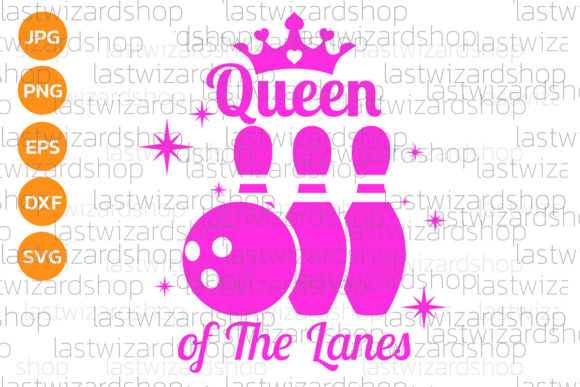
When I first pulled up the Queen of the Lanes Svg, Bowling Svg, the immediate vibe was clear: this is a statement piece. It carries a retro-bowling alley aesthetic that feels right at home in today's vintage-revival market. The layout typically features bold typography paired with iconic imagery like bowling pins, balls, or crown motifs. For an embroiderer, the "mood" of a design dictates the thread choices. This graphic screams for high-contrast thread colors. Think classic black and white with a pop of crimson or electric blue.
However, looking at it through the lens of a machine embroidery design, my first concern is always the conversion from vector to stitch. Since this asset originates in the Crafts and Graphics categories as an SVG, DXF, or PNG, it is crucial to understand that you are likely digitizing this yourself or using auto-digitizing software unless a specific embroidery version is provided. If you are digitizing, the thick, blocky nature of the "Queen" lettering is forgiving. It allows for solid fill stitch areas that cover well without excessive puckering. The graphical elements, if they include fine lines or tiny details, will need careful attention to ensure they don't get lost in the texture of the fabric.
The Real-World Test: A Custom Sweatshirt Scenario
To truly evaluate this design, I imagined a real client request: a custom order for a local bowling league needing matching gear for their end-of-season party. They wanted something fun but professional enough to wear outside the alley. I visualized the Queen of the Lanes Svg, Bowling Svg centered on the chest of a heavyweight cotton-blend sweatshirt.
In this scenario, the design shines. The bold shapes of the bowling svg elements translate beautifully into satin columns and dense fill patterns. On a thick fabric like a sweatshirt, the design adds a tactile quality that screen printing cannot match. The raised texture of the embroidery gives the "Queen" title a sense of authority and permanence. Customers reacting to this finished product would likely perceive it as a premium item, justifying a higher price point than a standard printed tee.
For an Etsy seller or small shop owner, this versatility is key. You aren't just selling a shirt; you are selling a personalized identity. Whether it is for a "Bowling Mom," a league champion, or a bachelorette party hitting the lanes, the design adapts. However, the success of this embroidery project relies heavily on your execution. If the digitizing is too dense, the sweatshirt fabric will stiffen uncomfortably. If it is too light, the backing will show through. Balance is everything.
Navigating Fabric Challenges and Hoop Limitations
While the design works wonders on sturdy apparel, caution is required when moving to trickier materials. If you plan to use this for a tote bag design made of canvas, you are in safe territory. Canvas can handle significant stitch density. But what about a fitted cap or a thin performance tee? This is where the Queen of the Lanes Svg, BowlingSvg demands respect.
Curved surfaces like caps require a design with minimal wide columns that might cause registration issues or pull the fabric. If the graphic includes a large, solid crown or wide text, you must ensure your digitizing includes proper underlay and pull compensation. On stretchy fabrics, such as those used for baby embroidery or athletic wear, the rigid nature of this bold graphic could restrict movement or cause distortion after washing. In these cases, I recommend scaling the design down significantly or opting for an applique design approach where the fabric provides the color and the machine only stitches the outline.
Furthermore, consider your hoop size. If the original SVG is large and intricate, it might not fit in a standard 4x4 hoop without resizing, which could compromise the legibility of smaller text elements like "League" or dates. Always check the dimensions before committing to a purchase or starting the digitizing process. For dark fabrics, ensure your design includes a solid underlay or background fill to prevent the garment color from altering the vibrancy of your thread.
Commercial Viability and Brand Consistency
For creative entrepreneurs, the ultimate question is: does this sell? The Queen of the Lanes Svg, Bowling Svg has strong commercial potential because it taps into a specific niche with passionate followers. Bowling leagues, tournaments, and themed parties are recurring revenue streams. Using this graphic allows you to create a cohesive line of custom apparel that looks professional.
Visual appeal directly impacts customer trust. A sloppy embroidery job with visible backing or uneven stitching destroys brand reputation. Conversely, a crisp, well-executed version of this design elevates your small shop product status. It shows attention to detail. When customers see clean satin stitch borders and smooth fills, they associate that quality with your entire brand. This is particularly important for holiday embroidery gifts or wedding party items where the emotional value is high.
If you are selling these as design assets rather than finished goods, clarity in your listing is vital. Specify that the buyer needs to digitize the SVG for embroidery unless you are providing a pre-digitized file. Many crafters buy SVGs assuming they are ready-to-stitch, leading to frustration. Being upfront about the file type builds long-term loyalty.
Practical Notes for the Professional Stitcher
Before you commit this design to a client's garment, follow these practical steps to ensure success:
- Test on Scrap First: Never skip the test run. Use the exact same fabric and stabilizer combination you plan to use for the final finished product.
- Check Contrast: View your digitized preview in black and white. If the details disappear in grayscale, they will likely get lost in the actual stitching.
- Stabilizer Selection: For bold designs like this, a cut-away stabilizer is often safer than tear-away, especially on stretchy knits, to prevent the heavy stitching from distorting over time.
- Licensing Verification: Since this is a graphic asset often sold for cutting machines, double-check the license terms. Ensure you have the right to use it for commercial embroidery and physical goods sales.
- Thread Matching: Have physical thread spools on hand. Screen colors rarely match thread charts perfectly. Adjust your palette to ensure the "Queen" theme pops against the chosen garment.
In conclusion, the Queen of the Lanes Svg, Bowling Svg is a potent tool for the modern embroiderer, provided it is treated with technical respect. It offers a blend of retro charm and bold geometry that translates well into thread when handled correctly. By understanding its limitations regarding fabric types and hoop sizes, and by prioritizing high-quality digitizing and stabilization, you can turn this graphic into a best-selling item for your craft business. Whether it ends up on a tote, a hoodie, or a patch, the potential for creating a memorable, high-value item is undeniable.