Ukraine War Support SVG 2: A Designer's Review
As a designer who spends more time staring at stitch maps than most people care to admit, I approach every new digital embroidery file with a mix of excitement and skepticism. When I first opened the folder for Ukraine War Support SVG 2, my immediate goal wasn't just to admire the artwork on screen; it was to visualize how these vectors would translate into thread, tension, and texture on actual fabric. This isn't just another graphic download; for those of us running a craft business or creating handmade products for clients, the difference between a pretty picture and a viable machine embroidery design can make or break a product line.
The package arrives as a single ZIP file containing six distinct formats: Craft, AI, EPS, SVG, high-resolution JPEG (300 DPI), and PNG files. While the description highlights its beauty and uniqueness, my job is to dig deeper. Does this embroidery file hold up under the needle? Is it suitable for the diverse range of projects my customers request, from delicate baby embroidery to heavy-duty sweatshirt embroidery? Let's break down the practical reality of using this asset in a real-world setting.
First Impressions and Visual Personality
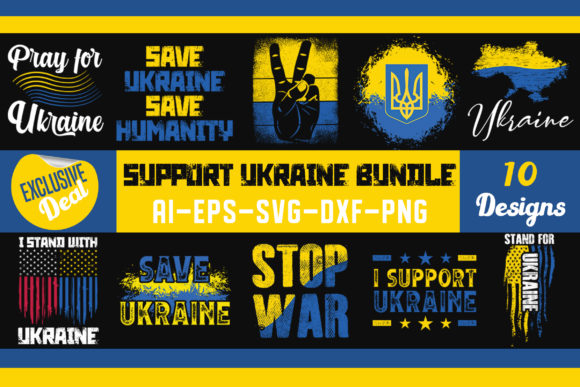
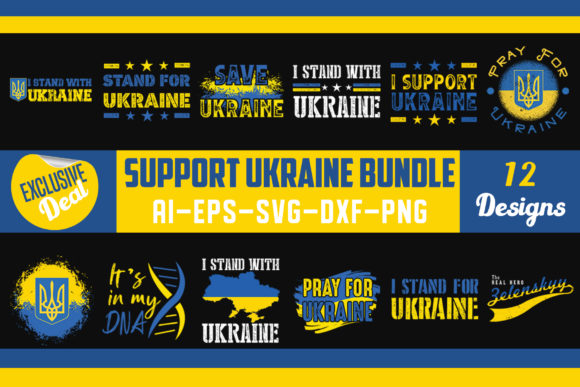
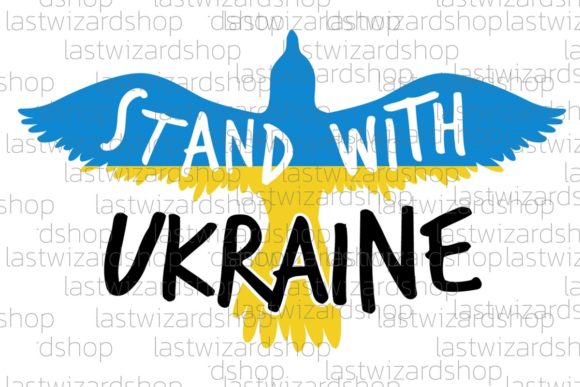
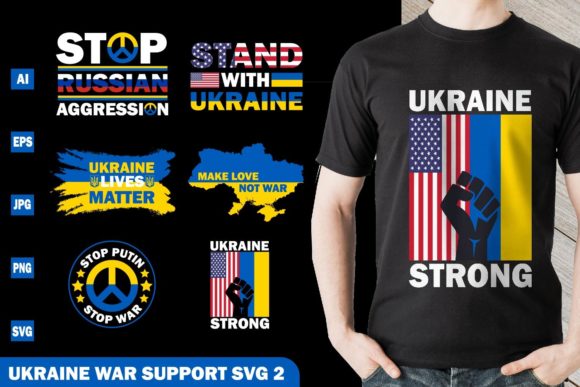
The visual mood of Ukraine War Support SVG 2 is striking. It carries a weight of purpose that immediately resonates. The layout feels balanced, avoiding the clutter that often plagues support-themed graphics. When viewing the SVG or EPS files in vector software, the lines appear clean, which is a promising sign for digitizing or converting into an applique design or standard stitch file. The theme is unmistakable, offering a strong narrative element that adds value to any finished product.
For an Etsy seller or boutique owner, the "personality" of a design dictates where it fits best. This particular set feels versatile enough for serious advocacy wear but stylized enough to work as a subtle decorative accent on home goods. It doesn't scream; it states. This nuance is crucial when creating custom apparel for clients who want to show solidarity without overwhelming their personal style. The high-resolution raster files (JPEG and PNG) included in the pack are excellent for creating printable mockups before you ever hoop a piece of fabric, allowing you to test color combinations against different backgrounds digitally.
Real-World Application: The Tote Bag Scenario
To truly evaluate Ukraine War Support SVG 2, I imagined a specific client request: a custom order for a local community group needing durable, meaningful tote bag designs. They wanted something that could withstand frequent washing and daily use while maintaining its message. Using the SVG file as a base, I visualized the conversion process into a stitch file suitable for canvas or heavy cotton twill.
In this scenario, the design's structure shines. If converted with appropriate stitch density, the shapes would sit well on the textured surface of a tote bag. Unlike overly intricate designs that get lost in the weave of coarse fabric, the bold elements of this set suggest strong coverage. Whether utilizing a fill stitch for solid areas or a satin stitch for borders, the geometry supports clean execution. For a small shop product like this, durability is key. The design avoids tiny, isolated details that might snag or pull away after a few trips to the grocery store, making it a reliable choice for functional holiday gifts or everyday carry items.
Beyond bags, I can see this working beautifully on a structured cap or a cozy fleece blanket. However, the application changes based on the substrate. On a curved surface like a cap, the center of gravity in the design matters immensely. The composition of Ukraine War Support SVG 2 appears centered and stable, which reduces the risk of distortion during stitching on challenging 3D surfaces.
Navigating Fabric Challenges and Technical Constraints
While the design assets are robust, the success of the final embroidery project depends heavily on material selection. This is where experience counts. If you plan to use this on stretchy fabrics like jersey knits for custom apparel, you must be vigilant about stabilization. The visual weight of the design suggests it needs a firm foundation to prevent puckering. A cut-away stabilizer would likely be necessary for long-term wearability, especially if the design covers a significant area on a t-shirt or sweatshirt.
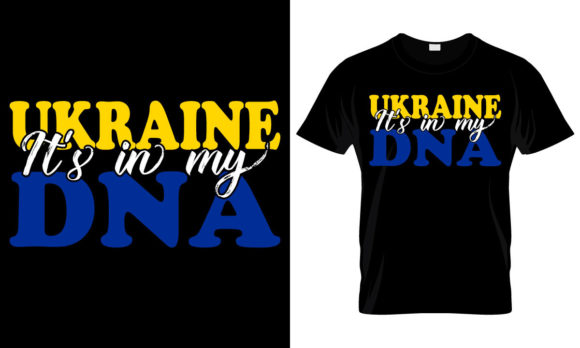
There are also considerations for dark fabrics. The preview images in the package are helpful, but you need to mentally invert the colors. Will the intended thread colors pop against navy or black? If the design relies on fine running stitch details, they might vanish on dark, textured materials. In such cases, adding a layer of white underlay or considering an appliqué technique could enhance visibility and contrast. Always test your color choices on scrap fabric first; what looks vibrant on a monitor can look muddy once stitched.
Furthermore, pay close attention to hoop size constraints. Although the digital file is scalable, the physical limitations of your machine's hoop dictate the maximum output size. If you are aiming for a large back-piece on a jacket, ensure your equipment can handle the dimensions without requiring excessive re-hooping, which can lead to alignment issues. For smaller projects like embroidered patches or baby onesies, scaling down is usually safe, but verify that no text or minute details become illegible at reduced sizes.
Commercial Viability and Brand Consistency
For creative entrepreneurs and digital product sellers, the licensing and versatility of a file are paramount. The inclusion of multiple formats (AI, EPS, SVG) indicates that this bundle is designed for flexibility across various crafting ecosystems, not just embroidery machines. This makes it a valuable addition to your library of design assets. You can use the PNGs for sublimation previews, the SVGs for cutting machines, and the vector files for further customization before digitizing for embroidery.
However, a word of caution: always confirm the specific license terms before selling commercial embroidery items made from this design. While the package suggests broad usability, protecting your business means understanding exactly what is permitted regarding resale of finished goods versus digital redistribution. Assuming nothing and verifying everything is the golden rule of the craft business.
From a branding perspective, incorporating Ukraine War Support SVG 2 into your lineup signals social awareness and community engagement. It adds depth to your portfolio, showing customers that your handmade product offerings are current and meaningful. Whether used for a limited-run charity drive or a permanent collection item, the professional presentation of the source files reflects well on your own brand's commitment to quality.
Final Verdict for Makers and Designers
After reviewing the components and visualizing the stitch-out potential, Ukraine War Support SVG 2 stands out as a practical and emotionally resonant tool for makers. It bridges the gap between graphic art and textile craft effectively. The variety of file formats ensures compatibility with almost any workflow, from digital mockups to physical production.
My advice to fellow designers is to treat this as a high-potential starting point. Do not simply load and go. Take the time to select the right thread colors that honor the intent of the design. Test it on the specific fabric texture you intend to sell. Check the stitch density if you convert it yourself, ensuring it isn't too dense for lightweight materials or too sparse for outerwear. By approaching Ukraine War Support SVG 2 with this level of scrutiny and care, you transform a simple download into a high-value personalized gift or a standout item in your small shop product catalog. It is a solid choice for anyone looking to create impactful, high-quality embroidered goods that speak volumes.